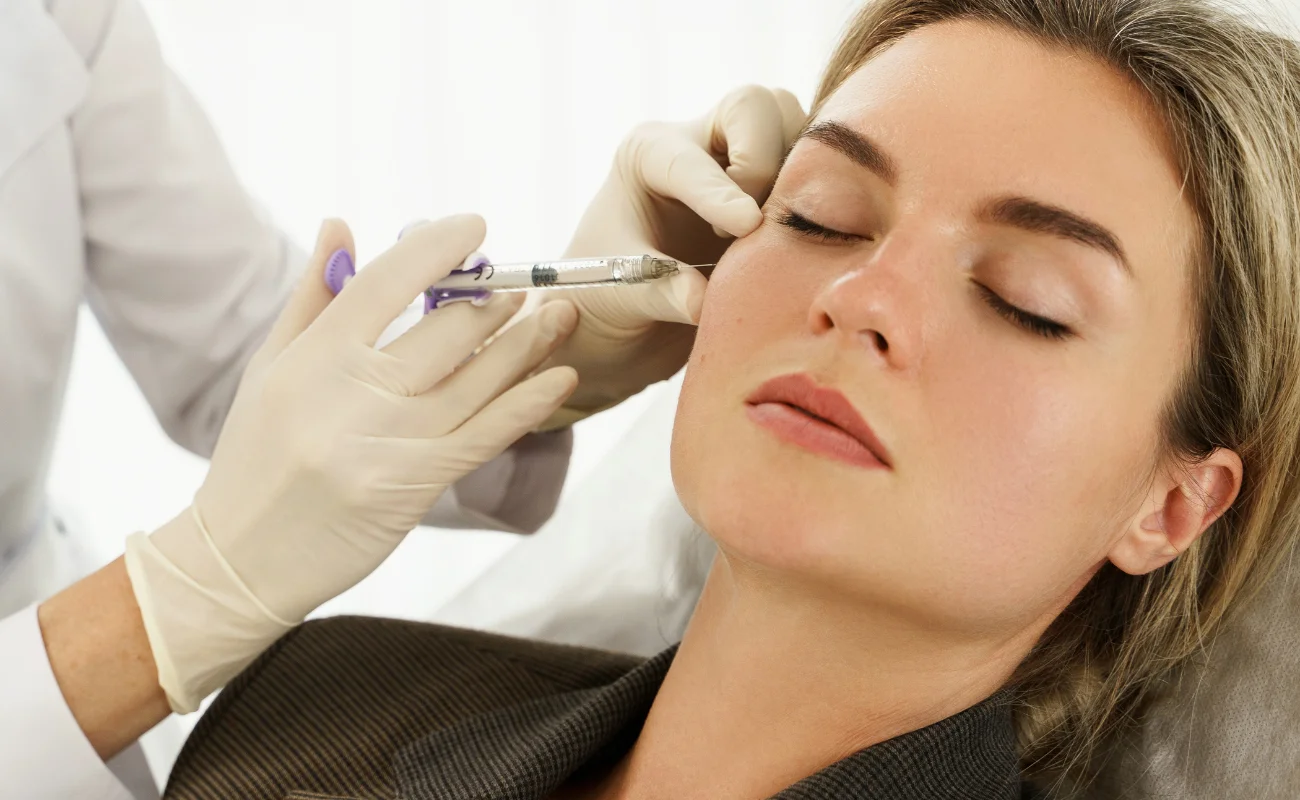
Guida pratica ai trattamenti di medicina estetica a Figline Valdarno con la Dott.ssa Cornelia Florea
Tra impegni, relazioni e lavoro, prendersi cura dell’aspetto è anche gestione della propria immagine. I trattamenti di medicina estetica a Figline Valdarno possono offrire soluzioni mirate senza chirurgia, ma da dove partire? Quali sono indicazioni, tempi e risultati realistici? Questa guida, con riferimento all’esperienza della Dott.ssa Cornelia Florea, aiuta a orientarti: come si svolge il consulto, quali opzioni considerare in base a età e stile di vita, come pianificare gli step e il mantenimento. Vedremo criteri di sicurezza, scelta dei materiali e protocolli, con attenzione a percorsi progressivi e downtime ridotto. L’obiettivo è fornire strumenti pratici per dialogare con il medico, valutare pro e contro di filler, botulino, biostimolazione o peeling e impostare un piano sostenibile nel tempo.
Che cosa comprende la medicina estetica non invasiva e come si costruisce un percorso efficace. Parliamo di procedure non chirurgiche per qualità cutanea, volumi e dinamiche muscolari. Opzioni frequenti: acido ialuronico per idratazione e sostegno, tossina botulinica per modulare le rughe dinamiche, biostimolazione e skinbooster per la trama cutanea, peeling chimico per il rinnovamento. Il consulto iniziale raccoglie anamnesi, obiettivi e priorità. Fotografie cliniche e analisi del profilo guidano la scelta. Un piano a piccoli step consente monitoraggio e correzioni, evitando interventi troppo concentrati in una sola seduta.
Consigli operativi per scegliere e prepararti: 1) verifica iscrizione all’Ordine dei Medici e competenze specifiche; 2) chiedi quali prodotti e dispositivi (CE, tracciabilità lotti) verranno usati; 3) richiedi un consenso informato chiaro, con indicazioni, alternative e rischi; 4) valuta stagionalità e tempi di recupero, soprattutto per peeling e laser; 5) prevedi manutenzione e budget con piani realistici; 6) segui preparazione e post-procedura: protezione UV, igiene, niente attività intensa nelle 24-48 ore, follow-up; 7) usa foto prima/dopo come confronto tecnico, non come promessa; 8) per trattamenti viso combinati, chiedi una logica di priorità (qualità pelle, dinamica muscolare, volume).
A Figline e Incisa Valdarno, la richiesta tipica riguarda miglioramenti graduali e tempi di recupero compatibili con vita lavorativa e spostamenti nell’area del Valdarno. Programmare le sedute in fasce orarie dedicate e preferire protocolli con downtime ridotto aiuta a non interrompere routine e sport. Per esempio: microiniezioni di acido ialuronico leggero in mesi più freschi; tossina botulinica prima di periodi di impegni pubblici; biostimolazione fra una stagione e l’altra. Per approfondire approcci, metodi e organizzazione degli appuntamenti, puoi consultare il profilo della Dott.ssa Cornelia Florea, Medicina Estetica a Figline Valdarno.
Orientarsi nei trattamenti richiede metodo: valutazione iniziale, obiettivi realistici, materiali certificati, piano progressivo e follow-up. Inizia da un consulto strutturato, porta domande e vincoli di tempo, chiarisci priorità tra qualità cutanea, dinamica muscolare e volumi. Se stai considerando un percorso a Figline Valdarno, prenota un colloquio informativo con uno specialista qualificato per definire il tuo piano passo dopo passo e stabilire controlli periodici.