Massaggio decontratturante in centro a Napoli: guida pratica con Roberta Torre Pignatiello Urban Spa
Contratture cervicali, rigidità lombare, spalle tese: chi vive o lavora in centro a Napoli conosce bene questi segnali. Il massaggio decontratturante a Napoli Centro è spesso la risposta, ma come capire se è il trattamento giusto? Questa guida chiarisce come funziona, quando sceglierlo e come integrarlo nella routine quotidiana. Vedremo cosa accade in seduta, come prepararsi, con quale frequenza effettuare i trattamenti e come mantenere i risultati con abitudini semplici. L’obiettivo è fornire criteri pratici per orientarsi tra tecniche manuali e strumenti di supporto, senza promesse irrealistiche. Domande frequenti: quanto deve essere intensa la pressione? È utile in caso di cefalea tensiva? Meglio prima o dopo l’allenamento? Troverai risposte operative e indicazioni basate su buone pratiche.
Cos’è e quando serve il massaggio decontratturante
In una Urban Spa strutturata, come Roberta Torre Pignatiello Urban Spa, la seduta parte da una breve valutazione: anamnesi, palpazione dei distretti dolenti e ricerca di trigger point. Il trattamento mira a ridurre il tono muscolare, a ristabilire la mobilità articolare e a gestire il dolore locale.
Segnali tipici: dolore puntiforme o irradiato, rigidità al risveglio, limitazione del movimento, cefalea tensiva di origine muscolare. Le aree più coinvolte sono trapezi, paravertebrali cervicali e lombari, glutei, fasce posteriori della coscia.
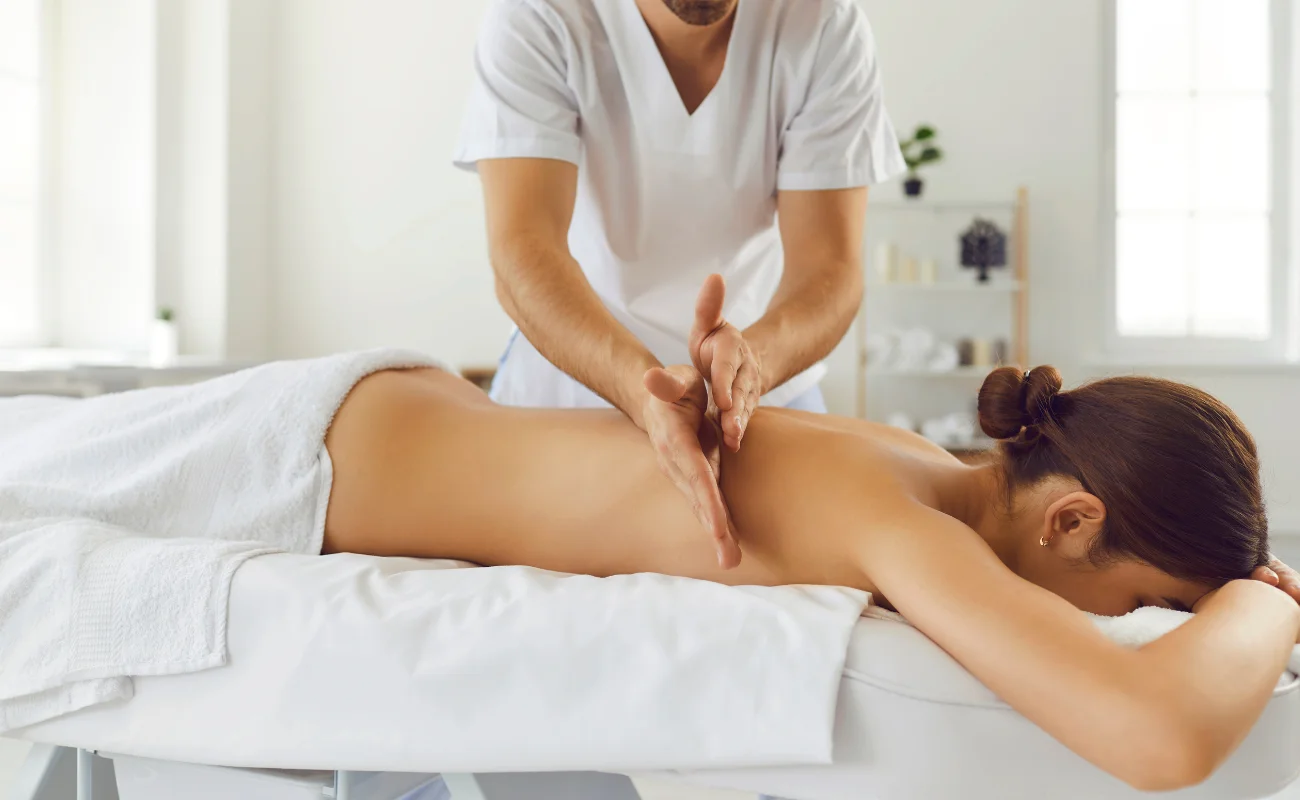
Manovre usate: impastamenti profondi, pressioni ischemiche sulla banda tesa, frizioni trasverse, pompages, allungamenti guidati e lavoro sul respiro. La pressione è progressiva e calibrata sul feedback del cliente. Dopo la seduta è normale percepire un lieve indolenzimento transitorio.
Consigli pratici: prima, durante, dopo
Prima: idratazione nelle 24 ore precedenti, evitare pasti pesanti subito prima, portare referti utili se presenti. Sospendere creme riscaldanti nelle 12 ore precedenti.
Durante: comunicare la soglia con una scala 0–10; la pressione deve essere efficace ma tollerabile. Respirare in modo regolare durante le pressioni. Se compaiono formicolii persistenti, segnalare subito.
Dopo: bere acqua, fare mobilità dolce di 5–10 minuti (collo-spalle-bacino), evitare carichi intensi nelle 12–24 ore. Un ciclo tipico in fase acuta va da 3 a 6 sedute settimanali; poi mantenimento quindicinale o mensile.
Integrazione utile: esercizi di mobilità scapolo-cervicale, auto-massaggio con pallina su parete, ergonomia posturale della postazione, pause attive di 5 minuti ogni 50. Evitare analgesici prima della seduta per non alterare il feedback.
Napoli Centro: tempi, spostamenti e scelte informate
Tra traffico, lavoro e orari ridotti, serve un percorso essenziale: durata chiara (45–60 minuti), accesso vicino a metro o parcheggi, fasce orarie compatibili con pausa pranzo o fine giornata. Valuta competenze manuali, igiene, comunicazione sui protocolli e possibilità di integrare tecniche quando indicato, come radiofrequenza viso e corpo, coppettazione o pressoterapia (ad esempio per drenaggio o supporto alla decongestione nei casi idonei). Per un quadro completo sulle combinazioni tra tecniche manuali e strumenti, leggi l’approfondimento radiofrequenza viso e corpo e massaggio decontratturante a Napoli. In presenza di dolore cervicale ricorrente, valuta anche fattori esterni: altezza del monitor, posizione dello smartphone, zaino o borsa monospalla, qualità del sonno.
Il massaggio decontratturante è una risposta mirata a contratture e rigidità, utile per ridurre il dolore, recuperare mobilità e prevenire recidive. La chiave è una valutazione iniziale, pressione calibrata, integrazione con esercizi e abitudini posturali. In centro a Napoli contano accessibilità, orari e continuità del percorso. Se hai dubbi su frequenza, intensità o integrazioni possibili, richiedi una valutazione iniziale presso un centro qualificato come una Urban Spa con esperienza. Un confronto professionale ti aiuta a definire obiettivi realistici e a costruire una routine sostenibile.