Massaggi decontratturanti a Bari: guida pratica per ridurre tensioni e tornare in movimento
Dolore alla schiena dopo ore alla scrivania? Spalle tese dopo l’allenamento? I massaggi decontratturanti a Bari possono aiutare quando muscoli e fasce perdono elasticità e limitano i gesti quotidiani. Questo articolo spiega come funzionano, quando servono e come integrarli in una routine efficace. L’obiettivo è fornire criteri chiari per scegliere il momento giusto, la frequenza e le tecniche più adatte. Non si tratta di un trattamento “magico”, ma di un percorso basato su terapia manuale, educazione al movimento e recupero post allenamento. Capire cosa aspettarsi evita false promesse e aiuta a ottenere risultati misurabili. Pronto a valutare se un massaggio decontratturante a Bari risponde davvero al tuo bisogno?
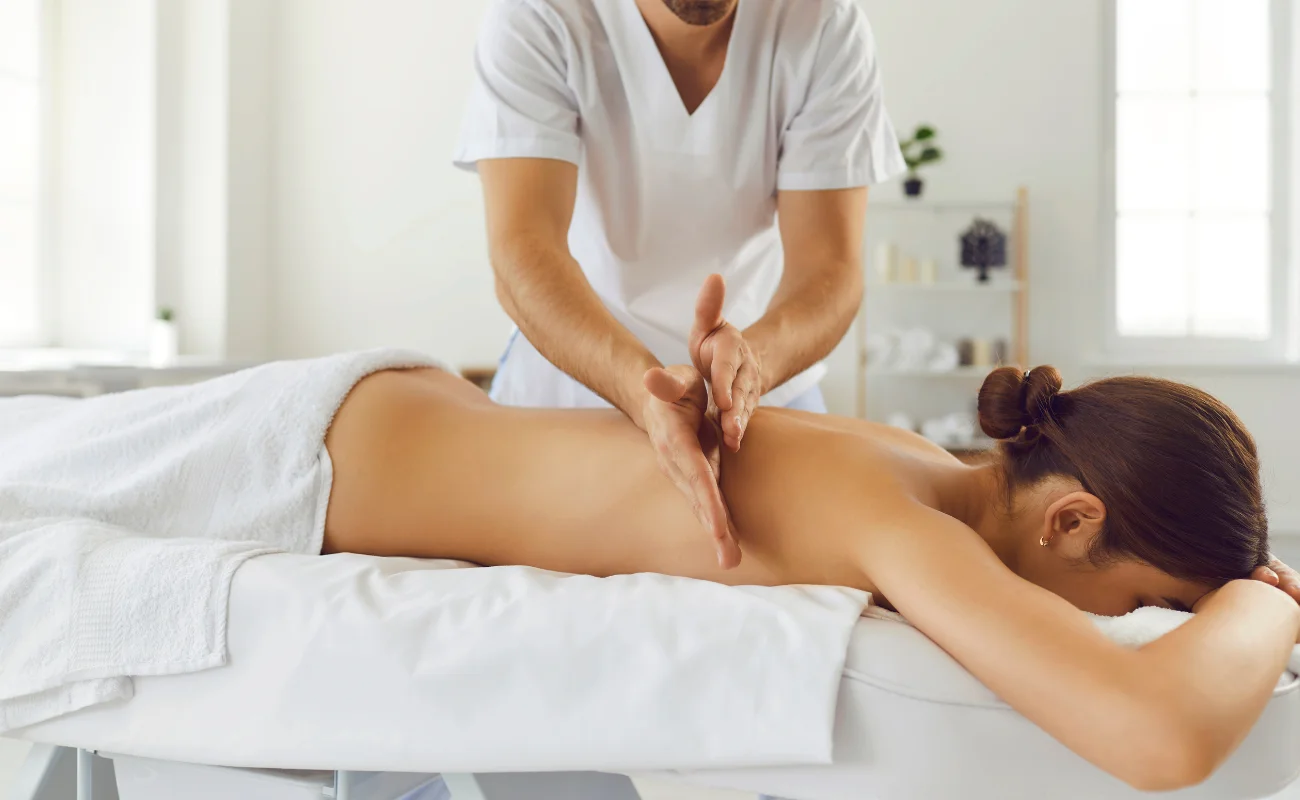
Cos’è un massaggio decontratturante e come agisce: è una terapia manuale mirata a ridurre il tono e la rigidità muscolare, a migliorare il flusso sanguigno e a liberare restrizioni fasciali. Lavora con pressioni graduali, frizioni e tecniche di scollamento; può includere stimolazione di aree ipersensibili correlate al dolore. È utile in caso di dolori cervicali, lombalgia, sovraccarico da allenamento e posture ripetitive. Si distingue da un massaggio rilassante perché ha obiettivi specifici di funzione e mobilità. Controindicazioni: traumi in fase acuta, febbre, infezioni cutanee, trombosi; in presenza di patologie, chiedere parere medico.
Consigli pratici per trarne beneficio: segnali utili sono rigidità al risveglio, dolore che si irradia, perdita di mobilità, affaticamento muscolare ricorrente. Prima della seduta: idratati, evita pasti pesanti, comunica farmaci assunti e sensibilità cutanee. Durante: usa una scala del dolore (1–10) per regolare l’intensità; respira in modo lento e costante. Dopo: concedi 24–48 ore per il recupero post allenamento; cammina, idratati, esegui stretching leggero. Tra le sedute: automassaggio con pallina o foam roller, pause attive ogni 50 minuti, ergonomia della postazione. Frequenza: spesso utile un ciclo di 3–6 trattamenti, poi mantenimento. Tecniche correlate: massaggio miofasciale e trattamento dei trigger point.
Bari e il bisogno reale: molte ore in auto sulla tangenziale, studio intenso al Politecnico, corsa sul Lungomare o partite sui campi di quartiere possono favorire sovraccarichi ripetitivi. Scegli uno studio con titoli verificabili, esperienza con sportivi e lavoratori sedentari, consenso informato chiaro, tempi e costi trasparenti, ricevuta sanitaria se prevista. Valuta accessibilità (bus, stazioni, parcheggio), orari serali e continuità del percorso. Desideri approfondire approccio, protocolli e disponibilità? Trovi informazioni utili su metodi e contatti presso Brillare Benessere.
I massaggi decontratturanti, inseriti in un percorso che include educazione al movimento, respirazione e abitudini ergonomiche, possono ridurre dolore e rigidità e migliorare la funzione. Hai visto quando possono servire, come prepararti, quali tecniche considerare e come scegliere un professionista a Bari. Se riconosci i segnali descritti, valuta una consulenza per definire obiettivi, frequenza e integrazione con l’allenamento. Un primo confronto informativo può chiarire dubbi e guidare decisioni consapevoli.