Lezioni individuali di Pilates per la postura a Roma: criteri, metodo e tempi di miglioramento
Ore alla scrivania, spostamenti in città, poca attenzione al respiro: comportamenti che, sommati, alterano la postura. Le lezioni individuali di Pilates per la postura a Roma offrono un percorso mirato: analisi iniziale, obiettivi misurabili, esercizi calibrati. In un contesto uno-a-uno l’insegnante osserva pattern di movimento, propone correzioni e adatta i carichi. Cosa cambia rispetto a una classe di gruppo? Tempi, focus, feedback. Il lavoro combina mobilità e stabilità con strumenti come Reformer e Mat, puntando a ridurre tensioni, migliorare controllo e prevenire ricadute. In questa guida trovi criteri di scelta, esempi di progressione e indicazioni per integrare la pratica nella settimana. Il risultato atteso non è solo “stare dritti”, ma muoversi meglio nelle attività quotidiane: camminare, sollevare, lavorare al computer. Da dove iniziare e come valutare i progressi?
Perché puntare sulle lezioni individuali per la postura
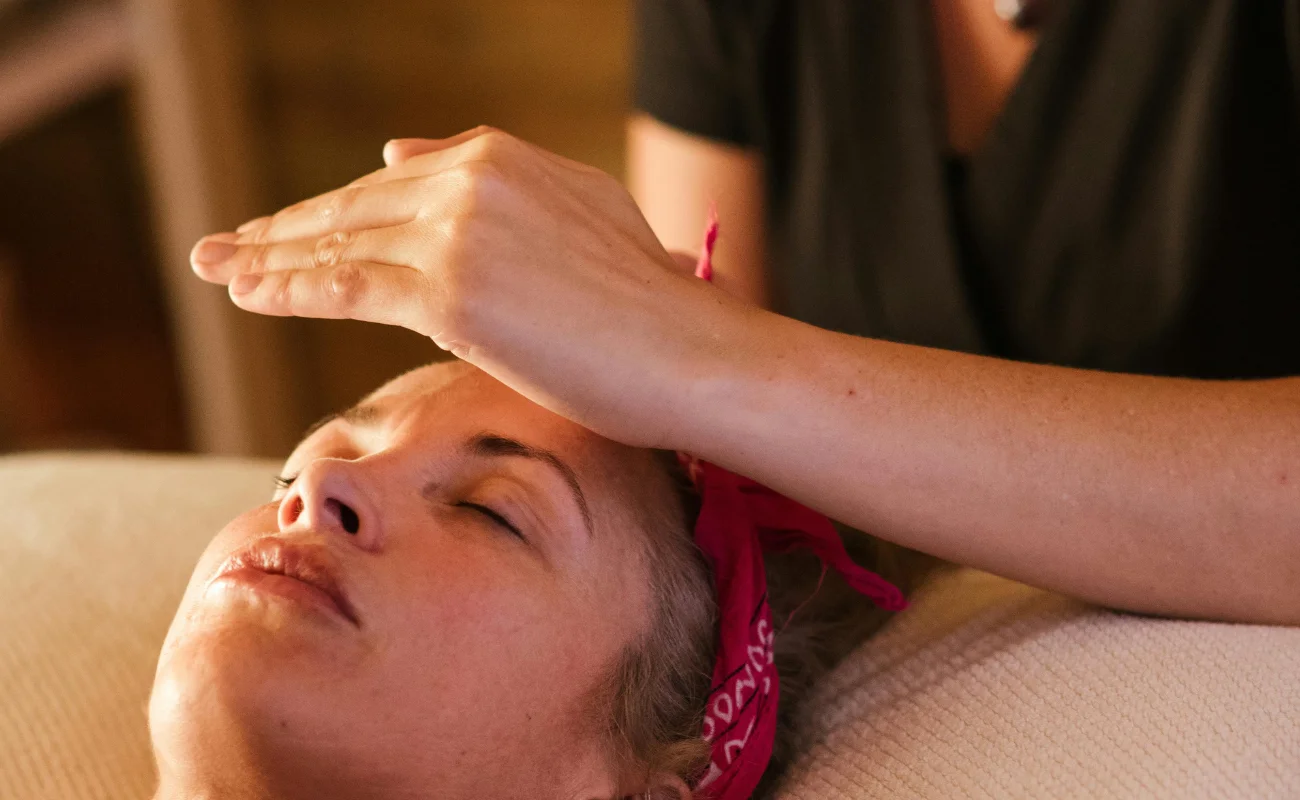
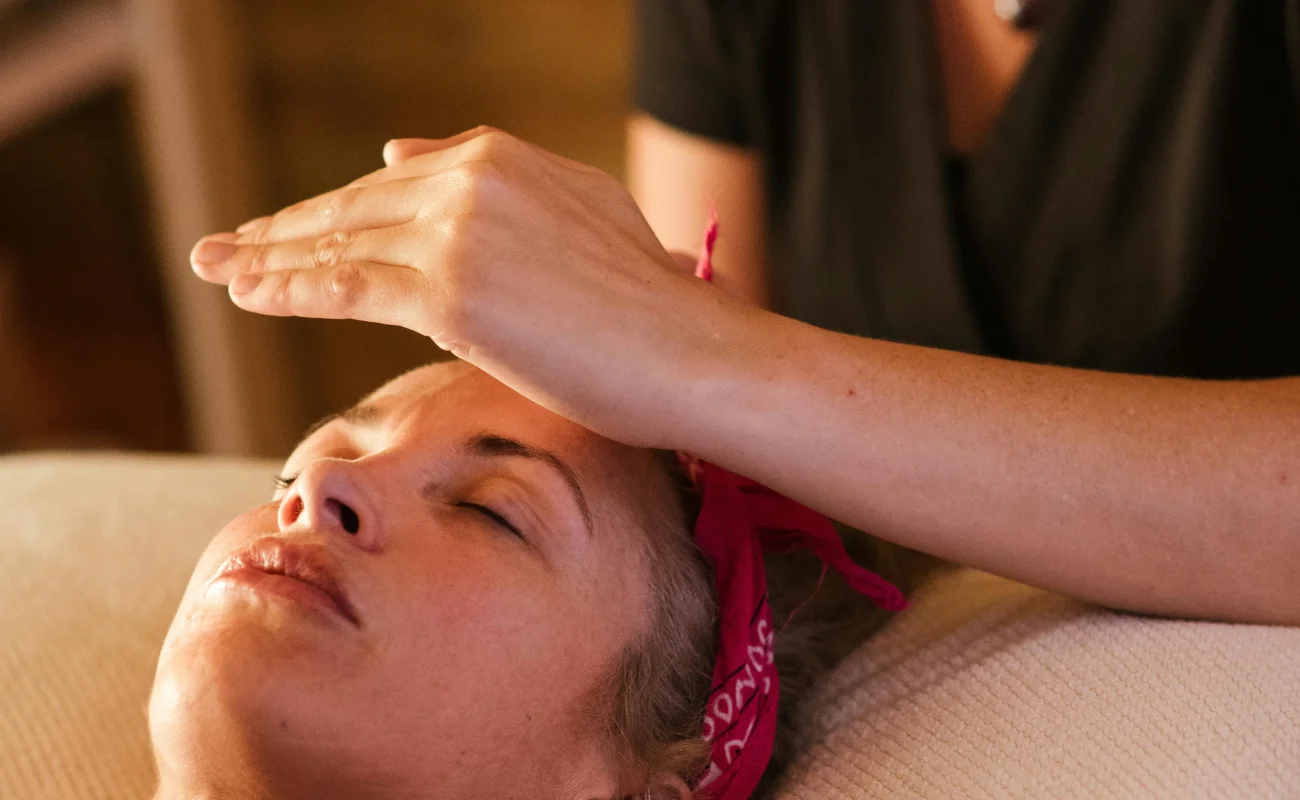
– Valutazione posturale iniziale: osservazione in stazione eretta, squat, piegamenti, test di respirazione.
– Definizione obiettivi: ridurre dolori cervicali e lombari, migliorare tolleranza in stazione seduta, aumentare range di movimento.
– Metodo: attivazione del core, controllo scapolare, mobilità dell’anca, sequenze su Mat e Reformer.
– Ruolo dell’insegnante Pilates certificato: cue, progressioni, regressioni, gestione del carico.
– Progressi misurabili: test ogni 4–6 settimane, scale del dolore, tempo di mantenimento posturale, video prima/dopo.
Il lavoro alterna esercizi a bassa intensità con fasi di integrazione funzionale. L’attenzione resta su qualità del movimento, respiro e trasferibilità ai gesti quotidiani.
Consigli pratici per iniziare e mantenere costanza
– Chiedi una valutazione posturale e un’anamnesi del movimento.
– Verifica certificazioni e casi seguiti su dolori cervicali e lombari.
– Concorda un piano con esercizi personalizzati di Pilates: 1–2 lezioni/sett., 20–30 minuti di pratica domestica.
– Pretendi progressi misurabili: obiettivi settimanali e revisioni mensili.
– Integra abitudini: pausa attiva ogni 50 minuti, setup della postazione, zaino bilanciato.
– Usa promemoria: checklist posturale, diario di dolore/fatica, video brevi.
– Domande da porre: come verrà adattato il carico? Quale ruolo ha il respiro? Come trasferire gli esercizi nella giornata lavorativa?
– Se serve, coordina il lavoro con fisioterapia o rieducazione posturale Roma per un approccio condiviso.
Roma: logistica, quartieri e scelta dello studio
Raggiungibilità e orari contano quanto il metodo. Considera traffico e mezzi: lezione al mattino vicino all’ufficio o slot serale nel quartiere di casa. Verifica disponibilità di Reformer, parcheggio, orari festivi. In molte zone (Prati, San Giovanni, Eur) trovi realtà come Sr Studio con setting e focus diversi; chiedi trial e valuta il rapporto con l’insegnante. Per dettagli su impostazione del lavoro su macchine, guarda la risorsa Pilates Reformer per principianti e lezioni per la postura a Roma. Il riferimento ai costi deve includere pacchetti, politica recuperi e durata delle sessioni. Se cerchi “Pilates Reformer a Roma”, confronta anche tempi di spostamento: 20 minuti salvati a settimana diventano ore di pratica in un mese.
Il percorso funziona quando metodo, costanza e misura procedono insieme: valutazione posturale, obiettivi chiari, esercizi personalizzati di Pilates e revisioni periodiche sostengono progressi misurabili nelle attività quotidiane. Scegli un insegnante Pilates certificato, verifica la logistica e pianifica orari sostenibili. Vuoi iniziare in modo strutturato? Prenota una prima valutazione o richiedi un incontro di prova per definire un piano realistico e adatto al tuo contesto a Roma.