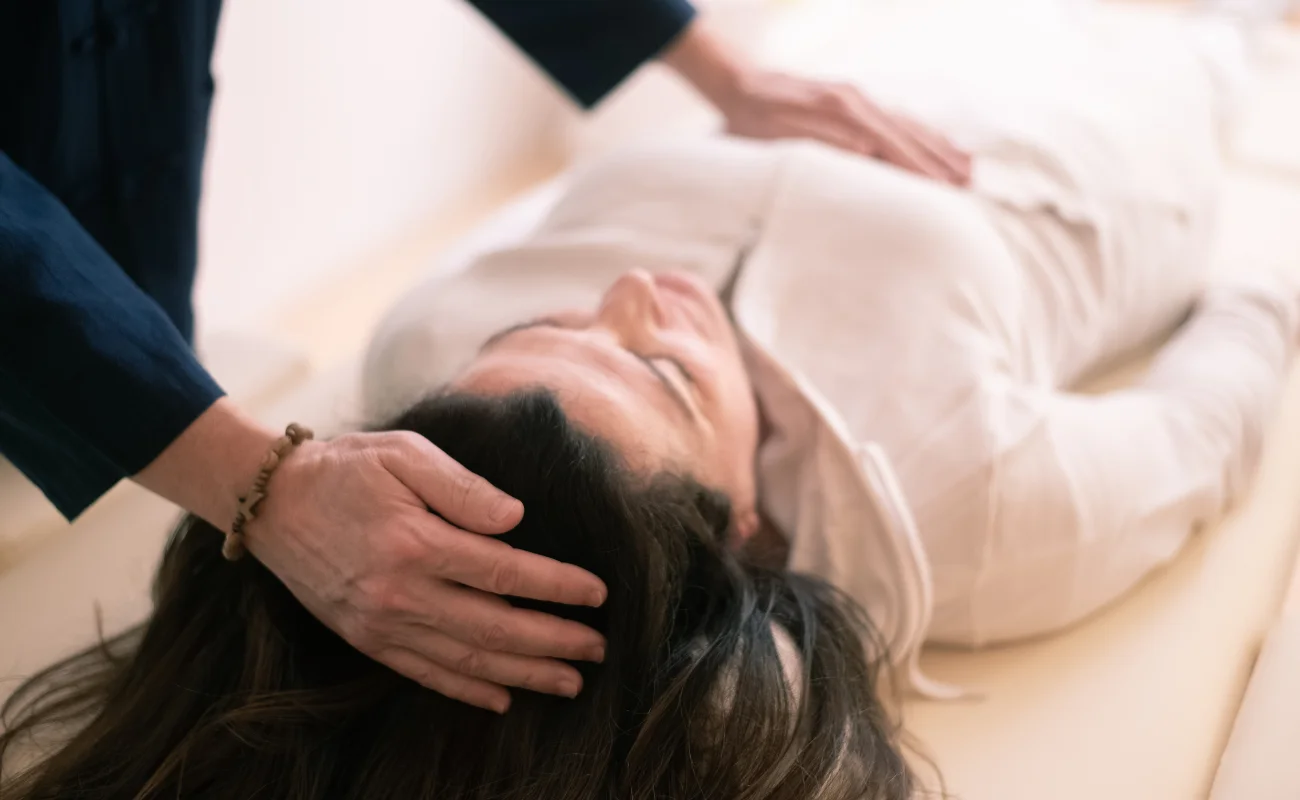
Meditazione Mindfulness
Cos’è: La meditazione mindfulness si concentra sull’essere pienamente presenti nel momento attuale, accettando i pensieri e le sensazioni senza giudizio.
Come praticarla:
- Trova un luogo tranquillo: Siediti comodamente in un ambiente silenzioso.
- Concentrati sul respiro: Porta l’attenzione all’inspirazione e all’espirazione.
- Osserva i pensieri: Nota i pensieri che emergono senza attaccarti a essi.
- Ritornare al respiro: Se la mente vaga, gentilmente riportala al respiro.
Meditazione del Respiro Profondo
Cos’è: Questa tecnica utilizza la respirazione controllata per calmare il sistema nervoso e ridurre lo stress.
Come praticarla:
- Posizione comoda: Siediti o sdraiati con la schiena dritta.
- Mano sull’addome: Metti una mano sull’addome per sentire il movimento.
- Inspira lentamente: Conta fino a quattro mentre inspiri profondamente attraverso il naso.
- Espira lentamente: Espira attraverso la bocca contando fino a sei.
- Ripeti: Continua per 5-10 minuti.
Meditazione Guidata
Cos’è: Utilizza registrazioni audio o applicazioni che ti guidano attraverso un processo meditativo.
Come praticarla:
- Scegli una guida: Trova un’app o una registrazione affidabile.
- Ambiente rilassante: Indossa cuffie e siediti in un luogo tranquillo.
- Segui le istruzioni: Lascia che la voce ti guidi attraverso immagini e visualizzazioni rilassanti.
Meditazione del Body Scan (Scansione Corporea)
Cos’è: Consiste nel focalizzare l’attenzione su diverse parti del corpo per riconoscere e rilasciare la tensione.
Come praticarla:
- Sdraiati comodamente: Preferibilmente su un tappetino o un letto.
- Chiudi gli occhi: Inizia a concentrare l’attenzione sui piedi.
- Salire gradualmente: Sposta l’attenzione lentamente verso le gambe, il tronco, le braccia e la testa.
- Notare le sensazioni: Riconosci tensioni o sensazioni senza giudizio.
Meditazione con Mantra
Cos’è: Involge la ripetizione silenziosa di una parola o frase per focalizzare la mente.
Come praticarla:
- Scegli un mantra: Può essere una parola come “pace” o una frase significativa.
- Postura rilassata: Siediti con la schiena dritta e gli occhi chiusi.
- Ripeti il mantra: Silenziosamente o sottovoce, sincronizzandolo con il respiro.
- Continuare per 10-20 minuti: Permetti al mantra di calmare la mente.
Meditazione in Movimento
Cos’è: Combina movimento fisico e consapevolezza, come nello yoga o nel Tai Chi.
Come praticarla:
- Scegli una pratica: Iscriviti a una classe o segui video tutorial.
- Movimenti lenti e intenzionali: Concentrati sulla sensazione di ogni movimento.
- Consapevolezza del respiro: Sincronizza i movimenti con la respirazione.
Benefici della Meditazione per lo Stress
- Riduzione dell’ansia e della depressione
- Miglioramento della concentrazione e della chiarezza mentale
- Aumento della capacità di gestione delle emozioni
- Promozione del benessere fisico, inclusa la riduzione della pressione sanguigna
Consigli per una Pratica Efficace
- Coerenza: Dedica un momento specifico ogni giorno alla meditazione.
- Ambiente appropriato: Crea uno spazio tranquillo e privo di distrazioni.
- Pazienza: I risultati richiedono tempo; sii gentile con te stesso durante il processo.
- Formazione continua: Considera di partecipare a workshop o ritiri per approfondire la pratica.
Integrando queste tecniche di meditazione nella tua vita quotidiana, puoi sviluppare strumenti efficaci per gestire lo stress e migliorare il tuo benessere generale. La chiave è trovare la tecnica che più risuona con te e praticarla regolarmente.